
Why Horses?
A relationship-centered approach to trauma-focused equine-assisted counseling
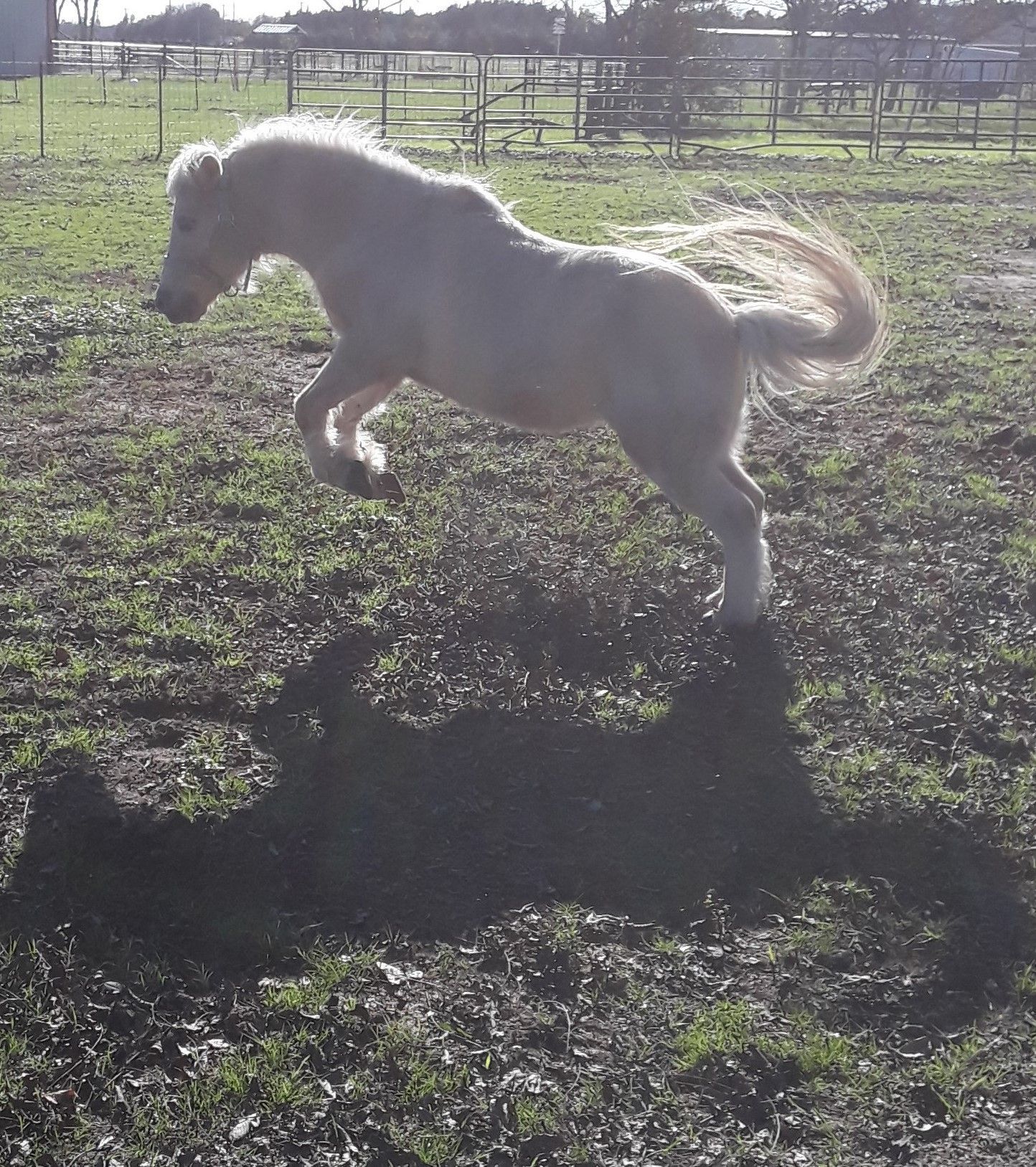
The horse is not a tool, mirror, or metaphor. The horse is a living, sentient participant capable of genuine relationship. Healing opportunities emerge through connection, attunement, communication, responsibility, and repair.
Horses and humans share important qualities
- Living mammals with brains, bodies, and nervous systems
- Social beings with needs for safety, attachment, bonding, belonging, and connection
- Sentient individuals who sense, feel, learn, respond, and bring unique histories and personalities
- Horses are prey and herd animals. Trauma survivors may also know what it feels like to be threatened, controlled, harmed, or preyed upon.
A horse is not a tool, mirror, or metaphor
- A horse is not an object to be used for a client’s healing.
- A horse may respond to us, but the experience is mutual: the horse affects me, I affect the horse, and we learn to notice and respond to one another.
- Life patterns may emerge, but we work with the real relationship unfolding between this client and this horse in the present.
Horses have protective responses too
- Horses are not always fully transparent; as prey and herd animals, they may conceal vulnerability or become overwhelmed.
- They enter relationships with their own experiences, wounds, and learned protective patterns—making the relationship more authentic, not less powerful.
The relationship is real
- Horses can form connection, attachment, partnership, and trust.
- Communication happens through movement, breathing, energy, intention, boundaries, and presence—not words alone.
- Clients can practice regulation, attunement, clear communication, healthy boundaries, trust, mutual rnd rupture and repair.
- Connection does not require perfection. Healing grows as we notice disconnection, take responsibility, and work toward repair.
Horse well-being matters
- Choice, safety, respect, and partnership must apply to both the client and the horse.
- True healing cannot happen at another living being’s expense.
- If something is not good for both, eventually it will not be good for either.
Why the relationship can help
Human and equine brains change through repeated experiences. Over time, experiences of safety, regulation, trust, and connection can strengthen healthier responses in the brain and nervous system.
From Why Horses to How
We begin with the mammalian brain, body, nervous system, and need for attachment. By honoring both similarities and differences, we can build relationships that are safe, genuine, mutually beneficial, humane, and ethical for both human and horse.
A Story From the Ranch
She was a young mother who needed help.
After giving birth, she found herself facing a serious postpartum mental health crisis. She was experiencing thoughts that frightened her, and her family knew she needed immediate support. They sought help through an inpatient hospital, hoping she would find the care she needed.
When that experience didn’t provide the support their family had hoped for, they kept searching. Because members of her family had previously experienced the positive impact of Runnin’ Free Ranch, they reached out.
So we made room.
In a safe and compassionate environment, she began working with her therapist and Zeke, one of our therapy horses. As she built trust with Zeke and her therapist, she gained tools to understand her postpartum mental health struggles and begin processing painful experiences from her past.
Little by little, she found hope and took steps toward healing. Today, she, her husband, and their baby are thriving together.
This is why we make room.
For the mothers who need somewhere safe to begin again, for the families searching for hope, and for the people who need someone to walk alongside them as they step toward healing.